
Let's start with what nobody tells you
If you've been told your pelvic floor is tight, tense, or hyperactive, traditional vibrators probably made things worse. Not because you're broken. Because the tool itself was fighting against your body's natural pattern, not working with it.
That's exactly why lemon clitoral vibrators are different. The suction mechanism bypasses the trigger that tightens your pelvic floor in the first place.
What pelvic floor dysfunction actually is
Your pelvic floor is a sling of muscles at the base of your pelvis. They support your bladder, uterus, and bowel. Most people think pelvic floor problems mean "too weak." Actually, the majority of people with dysfunction have the opposite: muscles that won't relax.
This can come from:
- Prolonged sitting or repetitive strain
- Past trauma or anxiety that locks the body in protection mode
- Childbirth recovery that never fully released
- Chronic pain conditions that trigger guarding responses
- Even high stress or perfectionism (your nervous system doesn't know the difference)
When your pelvic floor stays clenched, everything that involves that area becomes uncomfortable. Sex, tampons, gynecology appointments, exercise. The body learned to brace, and it doesn't know how to stop.
Why traditional vibrators make it worse
Here's the biomechanics: a standard clitoral vibrator works through direct vibration. Your nervous system senses vibration, especially intense vibration, as a form of potential threat. The pelvic floor responds by contracting harder to "protect" the area.
It's the same reflex that makes you tense up at the dentist. You know nothing bad is happening. Your body doesn't care. The pattern is automatic.
With continuous high-frequency vibration, many people with pelvic floor dysfunction report:
- Increased pain during or after use
- More muscle tightness the next day
- A sense of being "stuck" or unable to relax
- Difficulty reaching orgasm despite stimulation
The vibrator isn't broken. Your nervous system is just following an old instruction: clench when threatened.
How suction-based stimulation is different
Lemon clitoral vibrators use a completely different mechanism: gentle suction and pulsing. Instead of high-frequency vibration against tissue, suction creates a lifting, drawing sensation that stimulates the clitoral nerves without direct friction.
Your nervous system reads suction differently. It doesn't trigger the same protection response. The sensation is gentler and more sustained, which allows your pelvic floor to stay relaxed instead of bracing.
There's also a neurological component. Suction stimulates different nerve pathways than vibration. The lemon vibrator's design hits the external clitoral network without the jarring sensation that makes tight muscles clench tighter.
The result: arousal builds without your body working against you.
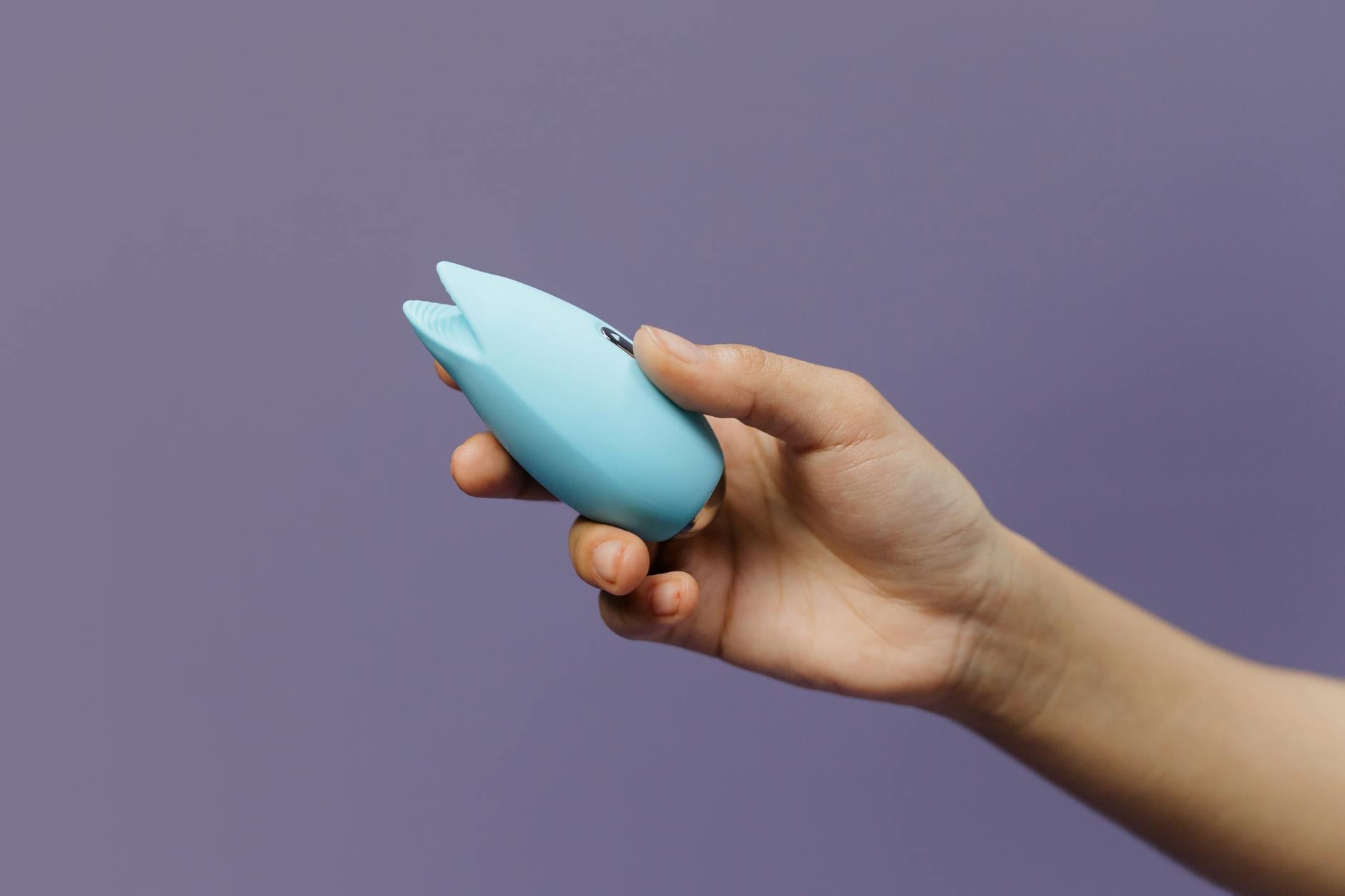
Photo by cottonbro studio on Pexels
What this means for sensation and pleasure
Many people with pelvic floor tension report that traditional vibrators feel numb or distant. There's stimulation happening, but the nervous system is so locked down that pleasure can't register. It's like trying to feel texture through thick rubber gloves.
The suction mechanism changes this because it doesn't require the same nervous system shift to feel good. Some people describe the sensation as more dimensional. You feel the draw, the pulse, the release, all separately. It's richer information for your brain to work with.
Orgasms also tend to feel different. Many report that when the pelvic floor finally stays relaxed during stimulation, orgasms become more full-body. Less clipped or incomplete. Your muscles can actually move freely instead of staying locked.
The practical steps that actually help
If you're considering a lemon clitoral vibrator while managing pelvic floor tension, here's what works:
Start at the lowest settings. The lem vibrator's suction can be adjusted. Begin at pattern 1 and stay there for several sessions. Your nervous system needs to learn that this stimulus is safe before you increase intensity.
Use it during relaxation, not arousal chasing. The goal isn't orgasm on day one. It's nervous system retraining. Use it for 10-15 minutes while relaxed, with zero pressure for pleasure. Your brain will eventually connect suction with safety, and arousal will follow.
Combine it with breathing and pelvic floor awareness. This is crucial. As you use the lemon vibrator, practice slow exhales and consciously releasing your pelvic floor muscles. You're teaching your body that this stimulus doesn't require protection.
Pair it with actual pelvic floor physical therapy if you haven't already. A pelvic floor PT can assess whether your dysfunction is tension-based and teach you the release techniques that complement device use. The vibrator alone won't fix the underlying pattern, but it's a powerful tool when combined with therapeutic work.
Give it time. Nervous system retraining takes weeks, not days. Use the lemon vibrator consistently, ideally 3-4 times per week. You're building a new association between stimulation and relaxation.
When to seek additional support
If you've tried suction-based stimulation and pain persists, or if arousal still feels blocked, pelvic floor physical therapy isn't optional. It's foundational. A pelvic floor PT can rule out trigger points, muscle knots, or structural issues that need hands-on treatment.
Some people also benefit from somatic therapy or trauma-informed coaching, especially if the pelvic floor tension connects to past trauma or chronic anxiety. The body holds patterns that vibrators can't release alone.
Why this matters beyond pleasure
Pelvic floor dysfunction affects more than sex. It impacts daily life. Pain during exercise. Urgency or frequency with urination. A sense of heaviness. Quality of life shifts significantly when that tension releases.
Using a tool like a lemon clitoral vibrator that works with your nervous system instead of against it isn't indulgent. It's part of recovery. It's signal to your body that this area is safe, and that safety can then extend to other activities.
FAQ: Pelvic floor dysfunction and lemon clitoral vibrators
Can I use a lemon vibrator if I have diagnosed pelvic floor dysfunction?
Yes, but check with your pelvic floor PT first. Suction-based stimulation is gentler than traditional vibrators for most people with hypertonic (tight) pelvic floor muscles. However, if your dysfunction involves trigger points or severe pain, you may need to start with PT alone. Once the acute tension eases, a lemon clitoral vibrator can be a useful tool for nervous system retraining.
Will a lemon vibrator cure my pelvic floor dysfunction?
No. But it can be part of the toolkit. A lemon vibrator works best alongside pelvic floor physical therapy, which addresses the underlying muscle patterns and movement habits. Think of the vibrator as a tool for rewiring the nervous system's response while PT addresses the structural component.
How is suction different from vibration for pelvic floor health?
Vibration can trigger protective muscle contracting, especially in people whose nervous systems are already in a guarding state. Suction creates a gentler, more sustained stimulus that doesn't activate the same protective reflex. It allows the pelvic floor to remain relaxed while you receive pleasurable stimulation, which is the opposite of what happens with traditional vibrators.
If traditional vibrators hurt, will lemon vibrators too?
Often not. The suction mechanism and lower intensity settings make lemon clitoral vibrators feel very different from traditional ones. Many people find they can use suction-based tools without pain. Start on the lowest setting to let your nervous system adjust to the new sensation.
How long before I notice a difference with a lemon vibrator?
Some people notice differences within 2-3 weeks of consistent use (3-4 times per week). Others take 6-8 weeks. You're retraining your nervous system, and that takes time. Patience and consistency matter more than intensity.
Should I use lubricant with a lemon clitoral vibrator if I have pelvic floor dysfunction?
Yes. Even though suction-based tools are gentler, lubrication reduces any friction and makes the experience more comfortable. Use a water-based lube that works with silicone toys.
The path forward
Pelvic floor dysfunction is real, it's common, and it's not a life sentence. The right tool, combined with proper support, changes everything. A lemon clitoral vibrator is one part of that change. It's permission for your nervous system to learn that pleasure and safety can happen in the same space.