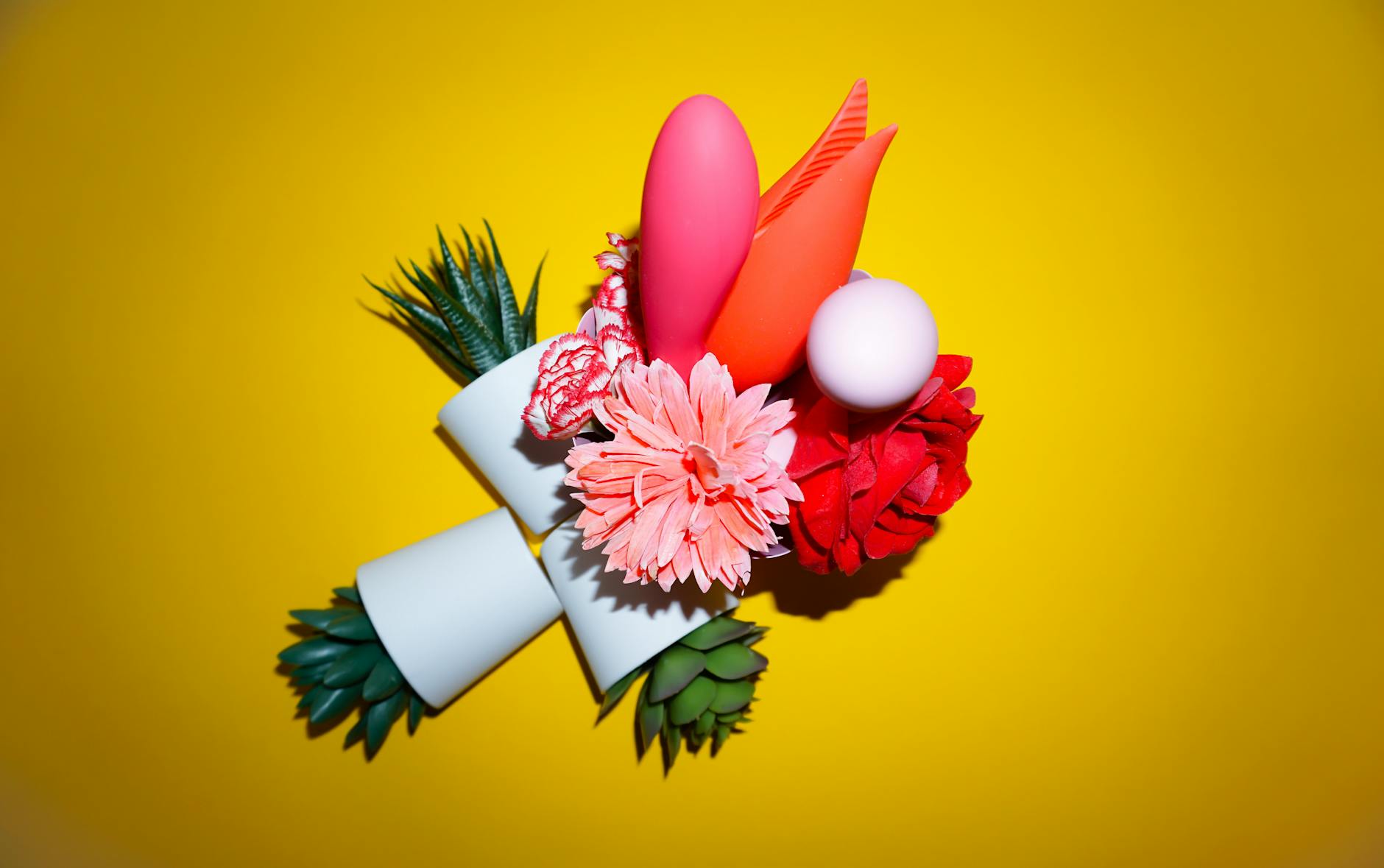
How Lemon Vibrators Improve Sensitivity After Menopause
Let's be real. Menopause doesn't kill your pleasure. But it does change the rules. Estrogen drops, clitoral tissue becomes thinner, blood flow shifts, and sensation that used to arrive on cue now feels distant or muted. You're not broken. Your body is just working differently now. And the good news is that lemon vibrators, particularly suction-based lemon adult toys, work brilliantly with these changes rather than against them.
I've worked with hundreds of people navigating post-menopausal sensitivity loss. Most assume the solution is stronger vibration. It's actually the opposite. The right tool, used the right way, rebuilds sensation faster than you'd expect.
Why traditional vibrators underperform after menopause
Standard vibrators rely on direct friction and speed. They work well when tissues are plump and well-hydrated. Post-menopause, thinner clitoral tissue becomes hypersensitive to direct vibration. Many people describe it as uncomfortable rather than pleasurable. The vibration that felt perfect at 45 feels harsh at 55.
This isn't a sign you've lost sensitivity permanently. It's your nervous system protecting tissue that's temporarily more vulnerable. The solution isn't to push harder. It's to change the stimulus entirely.
Lemon sucker technology (air-pulsing clitoral vibrators) uses gentle suction cycles instead of mechanical vibration. The stimulation happens across a broader tissue area, spreads the sensation more evenly, and feels less overwhelming on thinner tissue. Research on menopause and sexual function consistently shows that people with vulvas report greater satisfaction with air-pulsing devices compared to traditional vibrators post-menopause.
How suction rebuilds sensation differently
When you use a lemon clitoral vibrator with suction technology, you're not hammering a single point. Instead, you're creating a gentle pulse that draws blood to the clitoral tissue. This increased blood flow is the real mechanism at work.
Post-menopausal tissue has less natural lubrication and less vascular engorgement. Suction reverses this temporarily by encouraging blood to pool in the area. That pooling is what creates sensation. It's not the vibration doing the work. It's the blood returning to tissues that have been starved of it.
This matters because it means lemon vibrators actually work with your post-menopausal physiology rather than demanding it perform like it did at 35. You're not fighting your body. You're using a tool designed for exactly the conditions you have now.
The arousal timeline shift you need to account for
Here's something most guides skip: post-menopausal arousal takes longer to build. It's not laziness or low desire. It's physiology. Without consistent estrogen, the cascade of blood vessel dilation and genital engorgement that used to happen in minutes now takes 15-25 minutes.
Most lemon sexual toys have pattern modes at lower intensity levels (usually settings 1-4). Start there and stay there for the first 10 minutes or so. Let the suction work slowly. Your clitoral tissue will gradually engorge. Sensation will deepen. The temptation is to crank the intensity immediately because nothing is happening. Resist it. The magic is in patience, not power.
I tell my clients to think of it like bringing an engine to temperature. You don't floor the accelerator on a cold engine. You let it warm up first. Same principle here.
Pairing lemon clitoral vibrators with better lubrication
This is non-negotiable post-menopause. Water-based lubricant creates a seal that makes air-pulsing technology work better. It also protects thinner tissue from any friction.
Use enough that you can feel it moving, but not so much that the suction breaks. The lube bridges the gap between the toy and your skin, warming the stimulation slightly and reducing any micro-friction that might feel uncomfortable.
Some people worry that lube interferes with sensation. The opposite is true. By protecting tissue and optimizing the seal for suction, it actually enhances sensation. You're not numbing pleasure. You're removing a barrier to it.
When sensation loss isn't just hormonal
If you've been using a lemon vibrator consistently and sensation still isn't returning, a few things to check:
First, sleep and stress. I see this constantly. Arousal and sensation require nervous system downregulation. If you're running on five hours of sleep and cortisol is in the stratosphere, no toy will work well. That's not a toy problem. That's a nervous system problem.
Second, medication timing. Some antidepressants, blood pressure meds, and antihistamines blunt sensation. If you started something new in the last six months and noticed the shift, mention it to your doctor. Timing dosage differently or switching classes sometimes helps.
Third, pelvic floor tension. This one surprises people. Post-menopause, because estrogen supports pelvic floor elasticity, many people develop chronic tension without realizing it. Tight pelvic floor muscles actually restrict blood flow. You need a professional assessment here, but pelvic floor physical therapy can be transformative.
Building a routine that actually works
The people who see the biggest improvement post-menopause aren't the ones who experiment randomly. They're the ones who build consistency.
Here's what I recommend. Use a lemon clitoral vibrator 3-4 times per week, same time of day if possible. Your body learns the rhythm. Arousal comes faster with repetition because neural pathways strengthen. You're literally retraining your nervous system to respond, and that takes time.
Start with 15-20 minutes per session. Spend 10 minutes on the lower patterns, then gradually increase intensity if it feels good. Stop before you're frustrated. You're not trying to achieve orgasm every time. You're building sensation, rebuilding familiarity with pleasure, and reestablishing the neural pathways that estrogen withdrawal temporarily dimmed.
Most people notice measurable improvement in 2-3 weeks of consistent use. By six weeks, the majority report that sensation has returned to something close to pre-menopausal baseline. Some report even better sensation than before, because they're more intentional and less distracted.
The emotional piece that changes everything
Menopause often arrives alongside other life changes. Kids are grown, career pressure shifts, identity questions bubble up. The temptation is to assume that pleasure loss is purely hormonal.
Sometimes the real loss is psychological. You've spent decades prioritizing a partner's pleasure or managing fertility concerns. Post-menopause, you have permission to be selfish in the best way. You can explore what actually feels good to you without the cognitive load of worrying about conception or performance.
Lemon vibrators give you the physical tool. But you have to give yourself the mental permission. Your pleasure isn't frivolous. It's not a symptom to manage. It's a central part of being alive. Rebuilding sensitivity post-menopause isn't about returning to how things were. It's about discovering how good they can be now.
When to loop in a specialist
If you've tried consistent use of a lemon sucker and sensation still hasn't returned after 8-12 weeks, see a gynecologist who specializes in menopause. Genitourinary syndrome of menopause (GSM) is real. It's also very treatable with topical estrogen creams, vaginal moisturizers, or in some cases, systemic hormone therapy.
If pain appears during use, stop immediately. Pain isn't an intensity calibration issue. It's a signal. A pelvic floor physical therapist or menopause-trained gynecologist can identify what's happening.
For most people though, a lemon clitoral vibrator, patience, consistency, and the permission to prioritize your own pleasure is enough to rebuild what feels lost. Menopause isn't the ending of your sexual life. It's a plot twist. And with the right approach, the next chapter is often the most satisfying one yet.
FAQ: Common questions about lemon vibrators and post-menopausal sensitivity
Will a lemon vibrator feel too weak if I'm used to traditional vibrators?
Most people who switch to a lemon clitoral vibrator report the opposite. Air-pulsing stimulation feels different, not weaker. It's also more effective for post-menopausal tissue because it doesn't rely on the direct friction that can feel uncomfortable when tissue is thinner. Give yourself 3-4 sessions to adjust to the sensation before deciding it's not strong enough. Your nervous system needs time to recognize this new stimulus as pleasurable.
How long does it take to rebuild sensitivity with a lemon vibrator?
Two to three weeks of consistent use is usually when people notice the first measurable improvement. By six weeks, most report significant restoration of sensation. That timeline assumes 3-4 sessions per week and allowing 15-20 minutes per session. Faster or more intense use doesn't speed it up. Your nervous system has its own pace.
Can I use a lemon sucker if I'm on hormone replacement therapy?
Absolutely. HRT helps baseline sensation, and lemon vibrators work even better when you're on HRT because tissues are slightly more responsive. Don't wait for HRT to "fix" everything before introducing a lemon clitoral vibrator. They work beautifully together. HRT handles systemic hormone replacement. A lemon vibrator handles direct clitoral engagement and blood flow. Different tools, same goal.
Does menopause change what types of lemon sexual toys work best?
Not really. All air-pulsing designs work well post-menopause because the mechanism is the same. The difference is ergonomics. Some people prefer a larger head because it's easier to position. Others like compact designs because they're less tiring to hold. The lemon vibrator's suction mechanism is what matters, not the shape. Choose based on what feels comfortable in your hand and what you can reach easily.
Why does my lemon vibrator feel less intense on some days than others?
Nervous system state matters enormously. If you're stressed, sleep-deprived, or distracted, sensation will feel muted. So will intensity. This isn't the toy malfunctioning. It's your body prioritizing survival responses over pleasure responses. Try using your lemon clitoral vibrator at times when you're genuinely relaxed. Early morning after sleep or evening after a bath tends to work better than late night when cortisol is still elevated.
Is it normal to feel nothing the first few times I use a lemon vibrator post-menopause?
Completely normal. Your clitoral tissue is hypersensitive to direct vibration but paradoxically "numb" to stimulation that doesn't feel threatening. Suction-based stimulation is novel to your nervous system. It takes exposure for your brain to recognize it as pleasurable rather than unusual. Stay consistent. By session 4 or 5, most people report that sensation shifts from "weird" to "really good."
The path forward
Menopause changes your body. It doesn't diminish your right to pleasure or your capacity for it. Lemon vibrators, specifically air-pulsing clitoral toys, are engineered for exactly the tissue and nervous system you have now. They rebuild sensation not through brute force, but through intelligent design that works with post-menopausal physiology rather than against it.
If you're ready to explore what rebuilding sensitivity looks like, start with consistency and patience. Your nervous system is capable of more pleasure than you probably believe right now. The right tool, used thoughtfully, proves it.